



:quality(70)/cloudfront-us-east-1.images.arcpublishing.com/cmg/BPEI2QQ76SHPPOW6X6A6WHEGX4.jpg "Hong Kong’s M+ museum opens amid censorship controversy – KIRO 7 News Seattle")










:quality(70)/cloudfront-us-east-1.images.arcpublishing.com/cmg/GLQND2AXQQO2G4O6Q7SICYRJ4A.jpg "Blinken headed to Africa to address various crises – KIRO 7 News Seattle")


As we work to get our region’s economy back on track, there is much more to it than just lifting COVID-19 restrictions. Three weeks after the “reopening” there is a record number of vacancies. The Washington Hospitality Association reports that 80,000 fewer people are employed in restaurants and bars alone. Companies offer higher salaries than ever before, broader benefits and employment benefits, but many of our member companies report that, despite such efforts, potential employees often fail to even show up for interviews.
With a labor shortage so overwhelming, it means that many of our favorite businesses cannot really reopen. And there is no doubt that societal problems are at work here, such as workers’ access to childcare, especially in the summer. We also need our elected leaders who make public safety a priority. For inspiration, just look at New York City Democratic nominee Eric Adams, who argues that public safety is a prerequisite for prosperity.
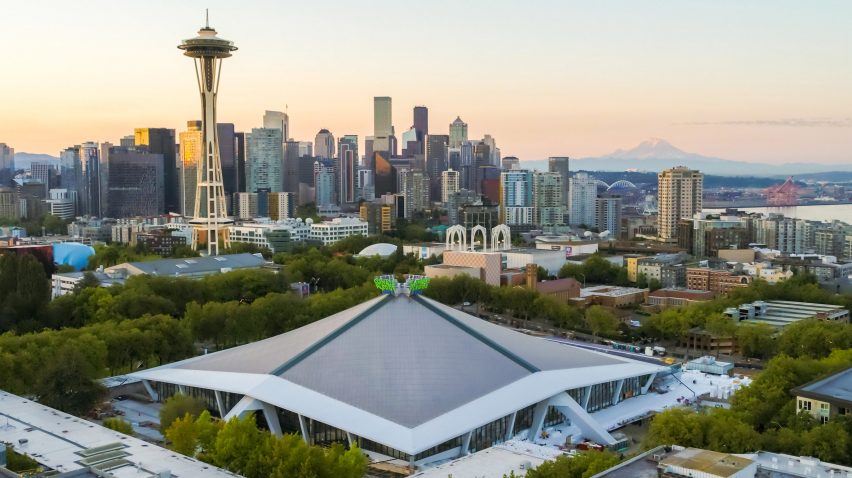
To improve our economy, people need to be confident that they will be safe and feel safe when they return to work, be it on the way to and from work or on shift. This problem is particularly acute in an area critical to the recovery of our entire region: downtown Seattle is home to 55% of our city’s workplaces and generates half of our region’s gross regional product.
The owners of Pioneer Square Restaurant London Plane recently told local NPR broadcaster KNKX that people in crisis have negative interactions with customers who eat outside “almost every day”. They said their staff are sometimes able to defuse the situation themselves, but sometimes they could use help. When employees call the police for help, “they often don’t get a timely answer”.
This example raises two challenges that the city of Seattle must face.
First, Seattle needs to act urgently to help people in crisis. It is wrong not to provide a safe and secure place to people who live unprotected and to forego it to those in need of behavioral medicine. It is also wrong that, due to inadequate measures to help people in crisis, employees in local companies are by default forced to intervene in situations for which they have no training or resources. I speak to a lot of local business owners who want to support their neighbors in need and want to see more of the city on a scale that matches the challenge. The city’s recent efforts in partnership with businesses to help people living in tents on Third Avenue downtown move to hotels and other serviced accommodations is a great place to start and should be expanded.
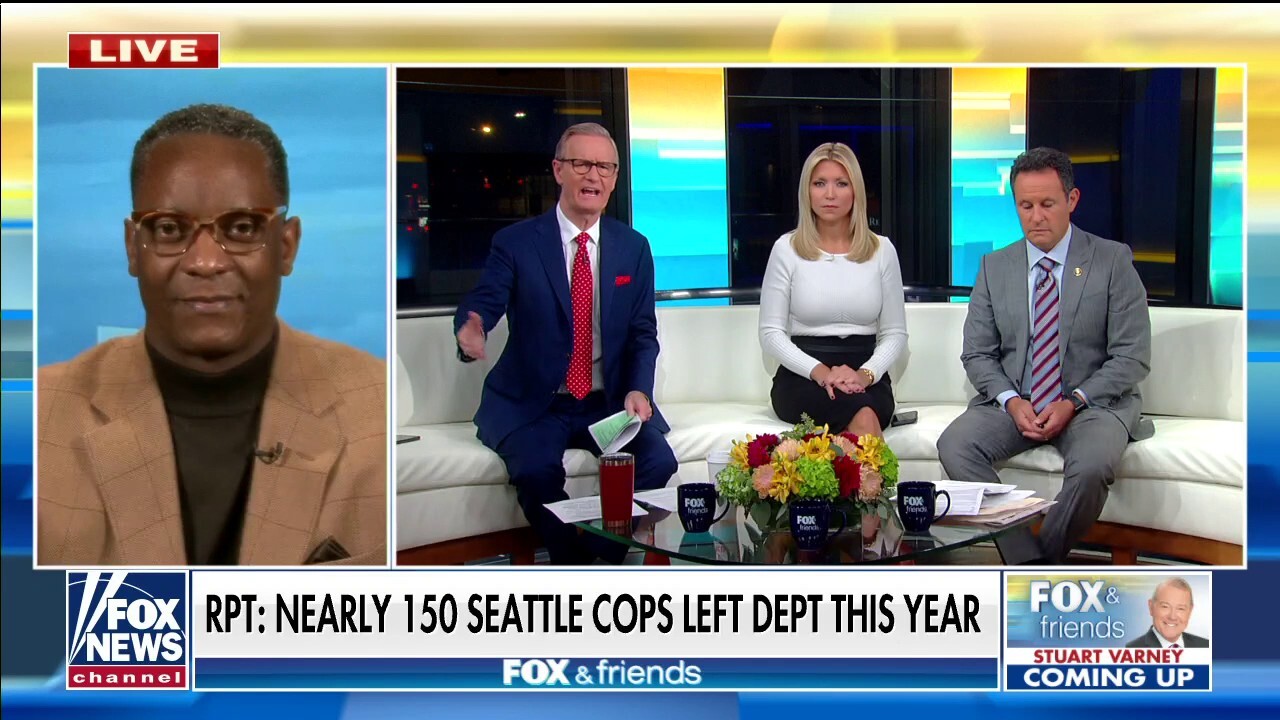
Second, Seattle must ensure adequate response times. Last spring, Seattle police reported that people who call 911 are waiting longer and longer for officers to appear. They fail to meet response times for the most serious crimes, and there were 221 days in which police in certain districts could not appear at all for lower-level complaints. The people who work in our city deserve better. You need to be assured that the police will react if your safety is at risk. You also need reassurance that leaders will undertake critical police reforms, such as finding that some situations are better responded to by someone other than a sworn officer. But emergency calls need answers, and city guides need to partner with community members, businesses and the police force in recovery.
After all, entrepreneurs want to act – now. Downtown Seattle, the largest job center in our region, still only has 20% capacity as crime continues to rise. We are excited to see a plan by elected executives to address security challenges well beyond this recovery period. A plan with built in goals and accountability measures. A plan that recognizes what this community demands: a rapid response system that includes a different use of some services, real reforms and a responsive police force.
The pandemic has challenged local businesses in unprecedented ways, forcing hundreds to shut down for good. Many others struggled by getting creative – for example, by switching entirely to take-out while serving free meals to the community for health workers. As we begin to shift from reaction to recovery, it is time to help local businesses reopen or extend hours – including protecting the safety of their workers and removing key barriers to recruiting. Seattle needs a robust plan for economic recovery, and public safety must be a cornerstone. We stand ready to work with elected leaders and companies to find solutions that bring workers back and provide the stability and security necessary for a truly equitable, inclusive and safe recovery.
Rachel Smith
is President and CEO of the Seattle Metropolitan Chamber of Commerce.