




:quality(70)/cloudfront-us-east-1.images.arcpublishing.com/cmg/BPEI2QQ76SHPPOW6X6A6WHEGX4.jpg "Hong Kong’s M+ museum opens amid censorship controversy – KIRO 7 News Seattle")















:quality(70)/cloudfront-us-east-1.images.arcpublishing.com/cmg/GLQND2AXQQO2G4O6Q7SICYRJ4A.jpg "Blinken headed to Africa to address various crises – KIRO 7 News Seattle")

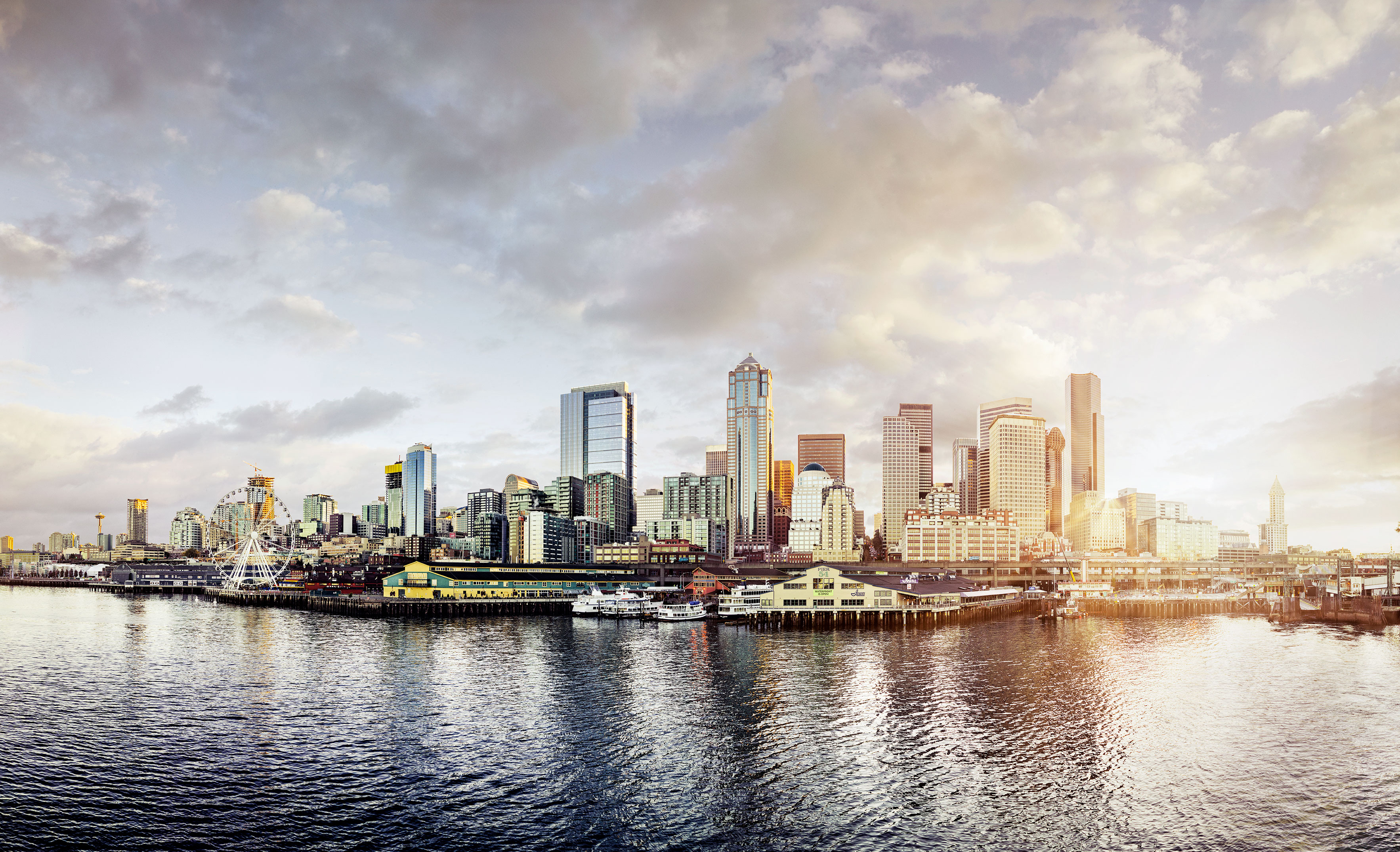
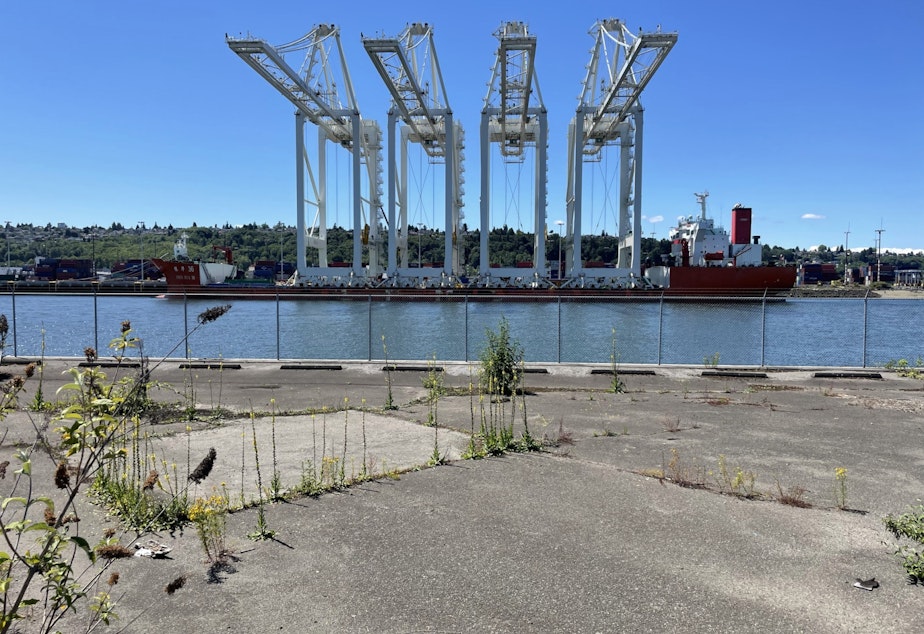
The Port of Seattle unloaded four giant white cranes from China late Monday. They are among the largest cranes in the world and are part of a major upgrade to Terminal 5 that includes new green infrastructure designed to reduce pollution.
But critics say it’s hard to be green in an industry nowhere near that advanced.
Fred Felleman is the President of the Port Commission, but he’s trained as a scientist. He wrote his master’s thesis at the University of Washington on the feeding habits of killer whales.
When he first ran for the elected body that governs the Port of Seattle, he enlisted as a marine biologist and reformer, someone who would use science to balance job growth in the port with protecting the environment.
This commitment was put to the test when the port had to upgrade Terminal 5 to accommodate larger ships. The need – he says – was overwhelming.
“Without a big ship to be ready – we’re out of business,” says Felleman.

What Felleman and other environmentally conscious commissioners were trying to do was make the port as green as possible. They installed a railway line right at the dock so that containers could be loaded directly from the ship onto trains, which are more fuel efficient than trucks. They made sure that the new docks supplied electricity to which ships could be connected so that they do not have to stand still just to generate electricity.
Less idle boats keep the marine environment calmer, which is good for orca.
“So we can have our trade and our killer whales too,” Felleman said.
He also says larger ships use less fuel to carry more goods, and one day they might even get a boost from sails mounted on deck like old ships.
But consumer demand continues to grow.
“The problem is that shipping grows with the world and we become wasteful,” says Felleman. “So we are looking for a very efficient means of transport, but we move a lot more goods.”
This contradiction has led some critics to blame the haven of greenwashing, promoting small environmental achievements, while leaving core issues unaddressed.

Stacy Oaks is the organizer of 350 Seattle, a nonprofit environmental group. As an example, she cited the provision of electricity at the dock so that ships do not have to stand still. On the surface, it’s a good thing.
“I think in terms of the health implications for the immediate community and workers, it’s a win because you’re removing all of the particulate matter and carcinogens that come out of those chimneys, so it’s really important,” she said.
But when it comes to slowing climate change, “it does next to nothing,” says Oaks, because cargo ships burn fossil fuels, which contributes to climate change, and burn most of their fuel at sea.
“Unfortunately we have to deal with the expansion elephant in the room and maybe stop expanding on things that require fossil fuels until these other solutions are in place. And / or find other ways so that we don’t have to ship as many goods, ”says Oaks.
The port is also criticized below the waterline, where the killer whales live.
Sophia Ressler is an attorney at the Center for Biological Diversity. Your organization is suing the port and the Army Corps of Engineers for dredging the Duwamish River to make way for larger cargo ships in Terminal 5.
She says the dredging stirs up all of the toxic chemicals that have settled on the river floor.
“As if you went into a pond and everything got dirty … it’s kind of the same. There will be these plumes of dirt and pollutants that are at the bottom of the water and begin to swim in the water that were not there before. “
And because it’s a superfund site, these puffs of dirt contain high levels of PCBs and other chemicals “that we know are really horrible to orcas, affecting their reproductive capacity and overall health.”

The lawsuit calls on the port and the Corps to mitigate the impact on killer whales. Ressler says it may not be possible to fully offset the negative effects.
But former marine biologist and port commissioner Fred Felleman, who stands on the banks of the Duwamish River looking at these giant cranes, remains optimistic that these challenges can be overcome.
“The level of innovation associated with this business, which people may just think of as ‘old school’, is remarkable,” he says. “And it only gets better.”
The question is, can it get better faster than it gets worse?