




:quality(70)/cloudfront-us-east-1.images.arcpublishing.com/cmg/BPEI2QQ76SHPPOW6X6A6WHEGX4.jpg "Hong Kong’s M+ museum opens amid censorship controversy – KIRO 7 News Seattle")















:quality(70)/cloudfront-us-east-1.images.arcpublishing.com/cmg/GLQND2AXQQO2G4O6Q7SICYRJ4A.jpg "Blinken headed to Africa to address various crises – KIRO 7 News Seattle")

Air traffic is slowly increasing worldwide as the Covid-19 restrictions are gradually lifted. This is good news for those looking to go on summer vacation, but also for the airports and airlines as aviation is one of the industries hardest hit by the pandemic.
Unfortunately, there are long waiting times for travelers and new security checks that passengers have to carry out, which in conjunction with Covid-19 test protocols are likely to result in significant delays.
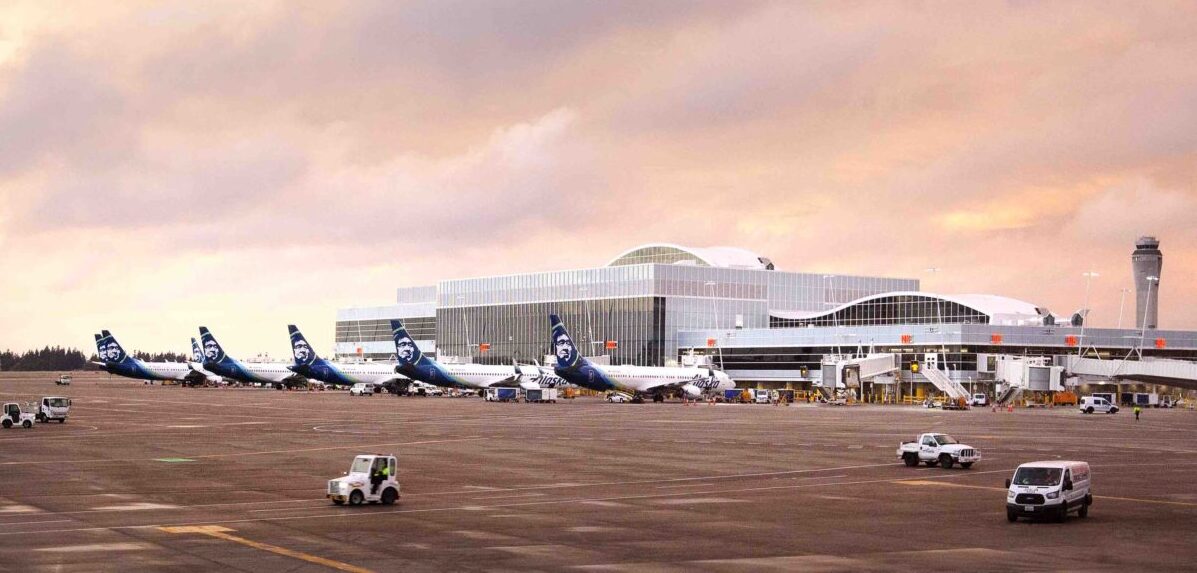
To counteract these long queues and waiting times, Seattle-Tacoma Airport (SEA) has introduced a new virtual queuing technology that enables passengers to go through the TSA screening process without having to stand in long lines.
The SEA Spot Saver program aims to modernize the passenger experience and enables virtual queuing, security checks, contactless check-in and baggage drop-off. By incorporating this new technology, SEA will become one of the first airports in the US to test a virtual queuing system in hopes of getting passenger lines moving again.
SEA, Senior Manager Terminal Operations, Dan Zenk, explained the new technology and how it will improve the customer experience.
Frankie Youd (FY): Could you give an overview of the two new technologies that are being integrated at the airport?
Zenk day (DZ): Both are free, reservation-based systems for general security controls by the TSA for those who do not participate in trusted traveler programs like PreCheck or CLEAR. One system runs via text-based Checkpoint 2, the other via an online web form at Checkpoint 5 for Alaska Airline passengers. No membership or additional information is required.
The system at Checkpoint 2 prompts travelers on site to scan a QR code, which sends a message, asks a few questions, and then confirms a time for entry through the checkpoint. Checkpoint 2 is for Delta Air Lines passengers and users of other airlines.
The web-based form system for Checkpoint 5 enables Alaska Airline customers to register on site or online up to 24 hours before their flight. Passengers can use a QR code on site or register online in advance and are given a certain time to get to the checkpoint.
Thematic reports
Are you worried about the pace of innovation in your industry?
In GlobalData’s TMT Themes 2021 Report, you will find out everything you need to know about disruptive technology topics and which companies are best suited to help you with the digital transformation of your company.
Find out more
Travelers can think of it as a restaurant, one system requesting a reservation in advance while the other works upon arrival and notifies passengers when their seat is ready. Either way, this allows passengers to check in their bags, grab a drink, spend more time with loved ones before they leave, or all of that.
FY: Was the inclusion of this technology considered before last year or did the pandemic act as a catalyst for its inclusion?
Double room: This was in the works before the pandemic. SEA Airport is always on the lookout for innovation to help the traveling audience, and this opportunity came as the technology was developed and the two participating companies piloting its advancement over the summer.
FY: SEA is one of the first airports in the US to investigate a virtual queuing system, how did this idea come about?
Double room: The concept has already been mentioned, but accelerated with the emergence of the pandemic. This added to the complexity of the Covid-19 social distancing requirement, restrictions on facilities and awaiting the return of passengers as the economy recovers. SEA is one of the first airports in the US to investigate a “virtual queuing” system as a solution to crowded general control lines.
FY: Was this technology developed in-house or did external companies help develop it?
Double room: Two external providers test products for 120 days. The pilot program will test whether SEA Spot Saver successfully reduces waiting times and crowds in order to better maintain physical distance. The pilot runs daily between 4 a.m. and 12 p.m. until August 31. These are the busiest times for checkpoints at SEA, accounting for between 40-50% of our daily traffic.
FY: How is this technology going to improve the customer experience and support employees at the airport?
Double room: The technology is designed to help reduce travelers’ waiting times at security checkpoints, give them time to do other things before they find their place in the queues and, ideally, reduce the overall waiting time for travelers.
From a staff point of view, this could reduce the need to manage long queues while providing better customer service for the traveler.
FY: What is the test of technology hoping for?
Double room: The pilot program has already started and should run until the end of August. At this point in time, the SEA Airport will evaluate the results and determine the next steps.
We encourage travelers to use the system to comment on their experience and the staff will monitor operations to make the necessary adjustments as we learn what works and what doesn’t within the processes. We anticipate that the virtual queue will improve and enable predictable passenger travel from now until well after the end of Covid-19.
Affiliates
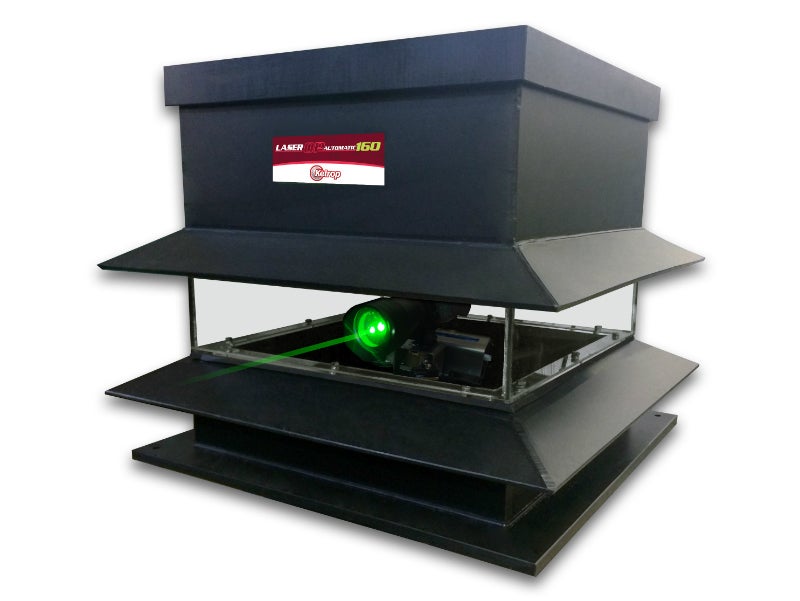
Ketrope
Bird control solutions for aviation environments
08/28/2020
Point FWD
Consultancy and data processing services for aviation security
08/28/2020
Moventor
Friction measurement systems and global runway reporter software for airports
08/28/2020