



:quality(70)/cloudfront-us-east-1.images.arcpublishing.com/cmg/BPEI2QQ76SHPPOW6X6A6WHEGX4.jpg "Hong Kong’s M+ museum opens amid censorship controversy – KIRO 7 News Seattle")












:quality(70)/cloudfront-us-east-1.images.arcpublishing.com/cmg/GLQND2AXQQO2G4O6Q7SICYRJ4A.jpg "Blinken headed to Africa to address various crises – KIRO 7 News Seattle")

District 1 City Councilor Lisa Herbold shared this update with her constituents through her email newsletter:
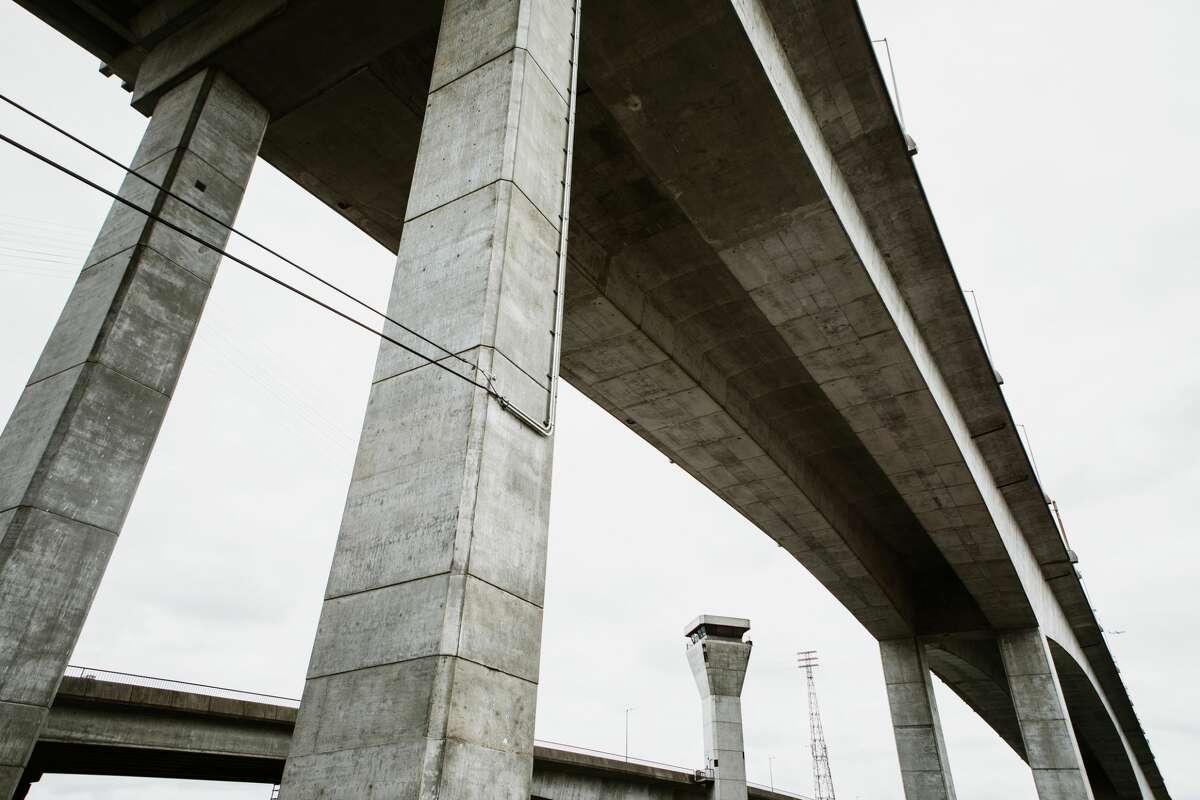
Bridge repair remains on schedule for completion in mid-2022
Last week, the West Seattle Bridge Community Task Force met for the 19th time since the West Seattle Bridge was closed.
The most important update is that the repair of the West Seattle Bridge is on schedule until completion in mid-2022 (June 30th). SDOT staff said they could be a few days or up to a week ahead of schedule right now.
The final major milestone on the schedule is the hiring of a contractor to repair the West Seattle Bridge. On Wednesday, SDOT announced the selection of Kraemer North America. They had the best rated proposal based on technical merit, total price, and interview. They were selected from three finalists who were interviewed. Your contract also includes renovation work on the Spokane Street (lower) bridge.
Hiring the contractor is now an important step in keeping the schedule on track. SDOT uses the construction method GCCM (General Contractor / Construction Manager Manager). In GCCM, the contractor is involved in the planning in order to guarantee the buildability and to avoid unnecessary delays and expensive contract change orders.
The hiring now allows the contractor to participate in the design work towards the 60% design milestone in July. The traditional approach is to first complete the design and then bid for a contractor. That takes more time.
The stabilization of the bridge was completed at the end of 2020 and the crack growth on the bridge stopped; it works as expected. Construction work for a repair has been underway since then; the technical board was confident that repairs could take 30-40 years.
The next steps to keep the project on schedule are outlined below.
One topic that I have been wondering about is the visibility of repairs on the bridge.
Most repairs are done inside the girders to reinforce the bridge with high tension steel cables. This prevents the bridge from tearing. Ten miles of tensioned steel cable were installed in the bridge during stabilization.
During the stabilization work, a platform was built under the bridge allowing workers to safely enter the exterior of the bridge to add carbon fiber jacketing and epoxy. When the stabilization was complete, the platform was removed.
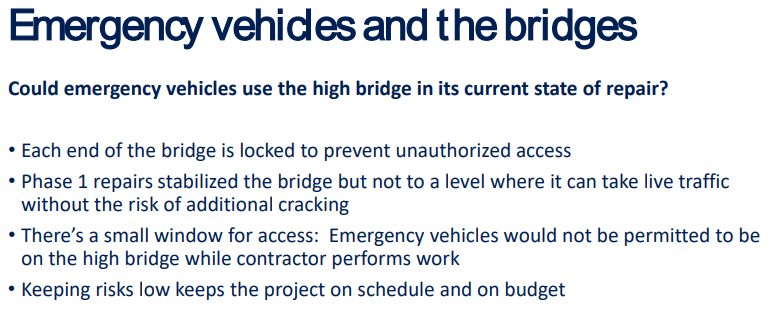
Another question is whether the bridge can be opened to emergency vehicles or other traffic.
SDOT notes that each end of the bridge is locked for safety, and while the bridge is stabilized, it is not at a level where it can accommodate traffic without risking additional cracks:
Update for low bridge access
SDOT has now approved lower bridge access to 60 users for life-saving medical treatments. In addition, they process over 600 applications for bridge work. You can apply here if you are an authorized user:
-
Medical staff on call (only trips to and from an on-call shift)
-
All restaurants and retail stores in West Seattle (limited to urgent trips to collect equipment or supplies)
-
Carpooling (vans, shuttles, or official carpooling with a government-issued ride-sharing license plate; Uber / Lyft is not included)
-
Individuals traveling to and from life-saving medical treatments via West Seattle (approval from your doctor required); includes the trip to the treatments on the Fauntleroy ferry.
If you need help filling out the application or have any questions, you can call (206) 400-7511 and leave a voicemail or email WestSeattleBridge@seattle.gov. Provide your name, contact details and language needs and someone will call you back.
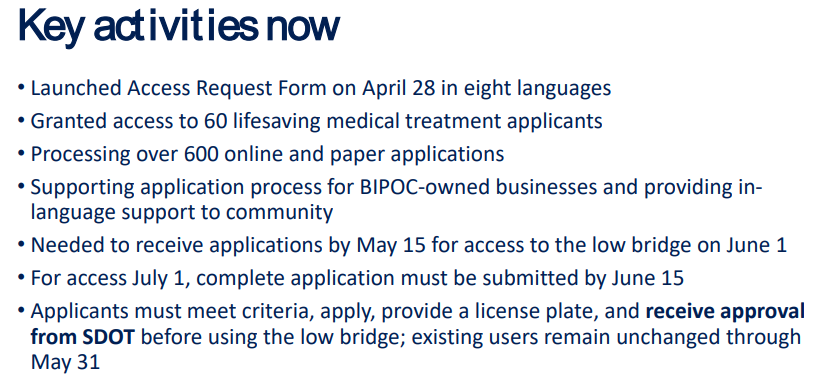
Eligible companies have up to 10 round trips per month:
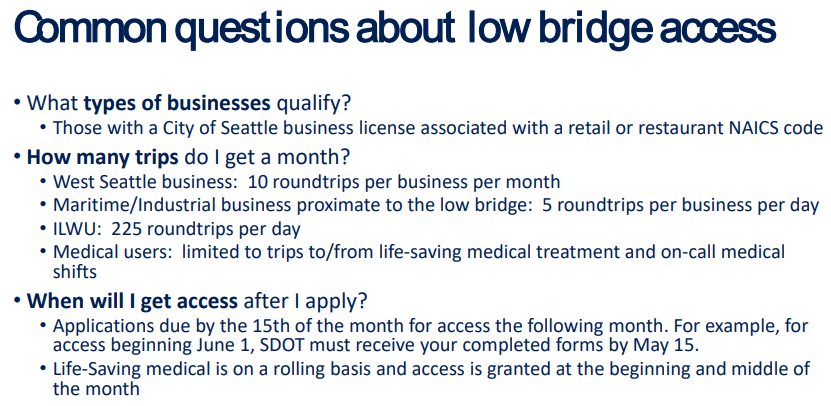
For more information on Low Bridge Access, see below:
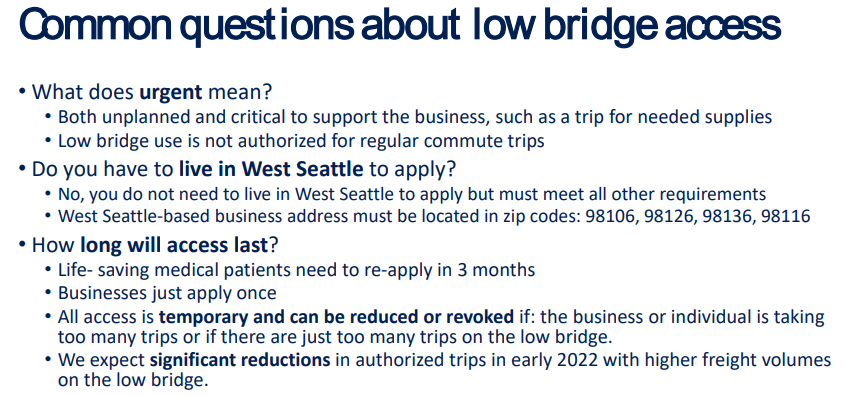
SDOT monitors relevant data including bridge volumes, number of violations and issues such as: B. how long it takes to recover traffic flow from bridge openings. The permitted daily and monthly journeys could be adjusted up or down depending on the use of the low bridge.
Below is a comparison of monthly traffic across the city versus pre-COVID levels. At the beginning of the pandemic in Seattle, the graph on the left shows March and April 2020 with a significant decrease compared to 2019.
On the right in the graph, the monthly volumes are compared with 2019, as the 2020 volumes are within the COVID period. April 2021 volumes were 28% below 2019 levels compared to April 2020 volumes which were 60% below 2019 levels.
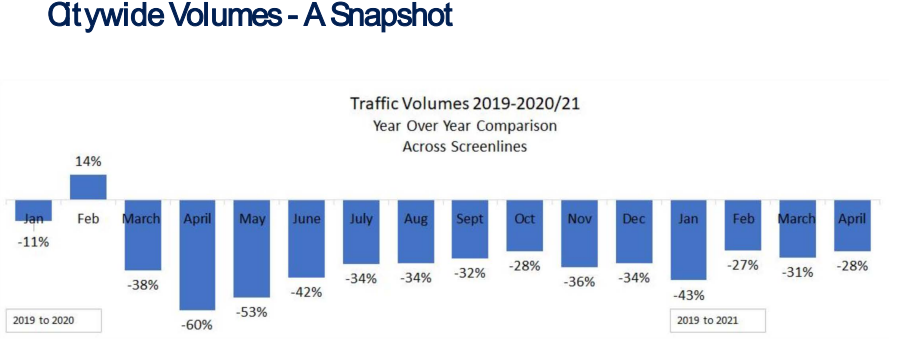
It is likely that this trend will continue as vaccinations progress and further reopenings. KC Metro’s passenger numbers are lagging behind the traffic data, but passenger numbers are also increasing.
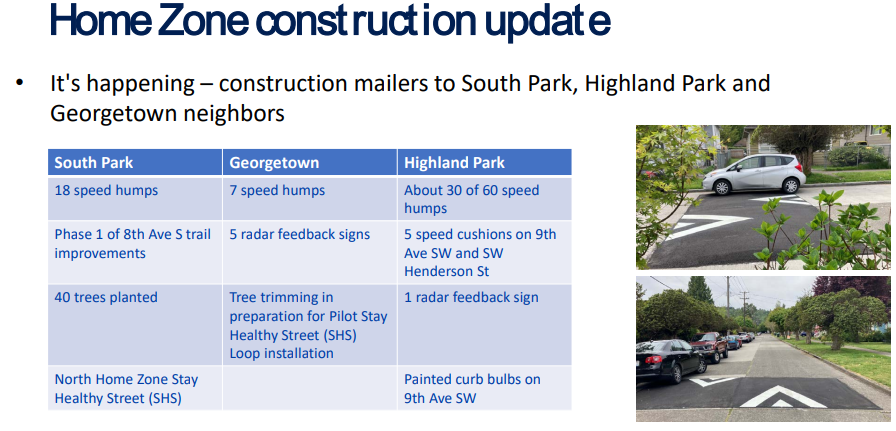
In Highland Park, South Park and Georgetown, implementation of the Home Zone traffic and pedestrian safety projects continues:
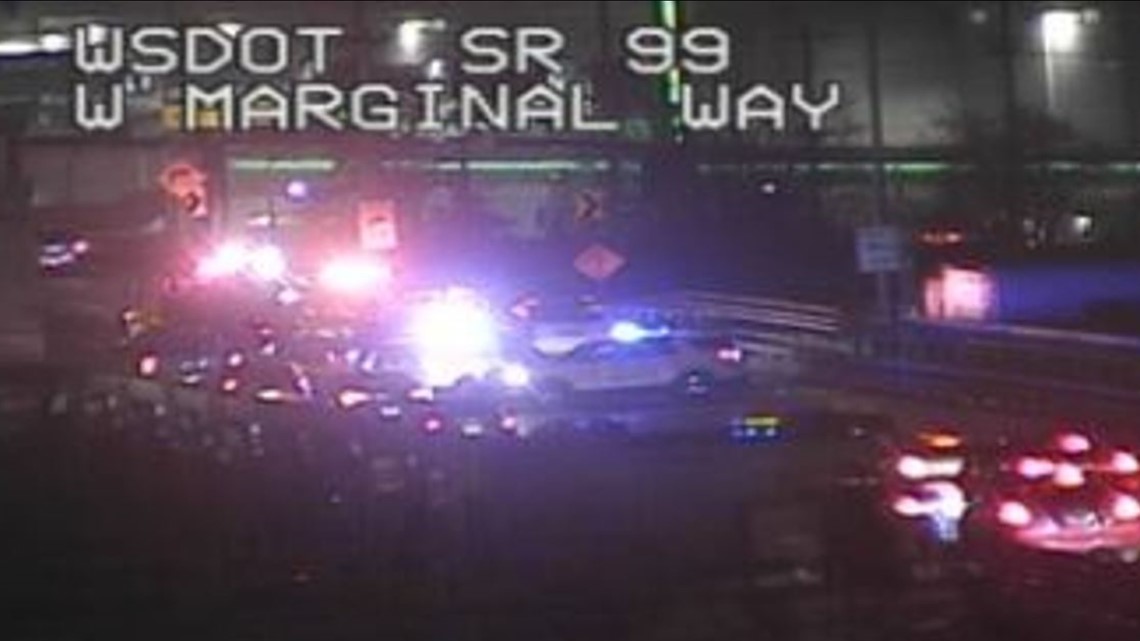
Here is a link to the latest traffic and travel time data for the week ending May 14th. Traffic at the intersection of Highland Park Way and West Marginal Way remains very high compared to pre-COVID levels.
(Note: Spokane St Bridge was out of service from approximately 3:30 am to 5:30 am on Wednesday, May 12th, which probably explains the decrease in total daily bridge volume for that day).